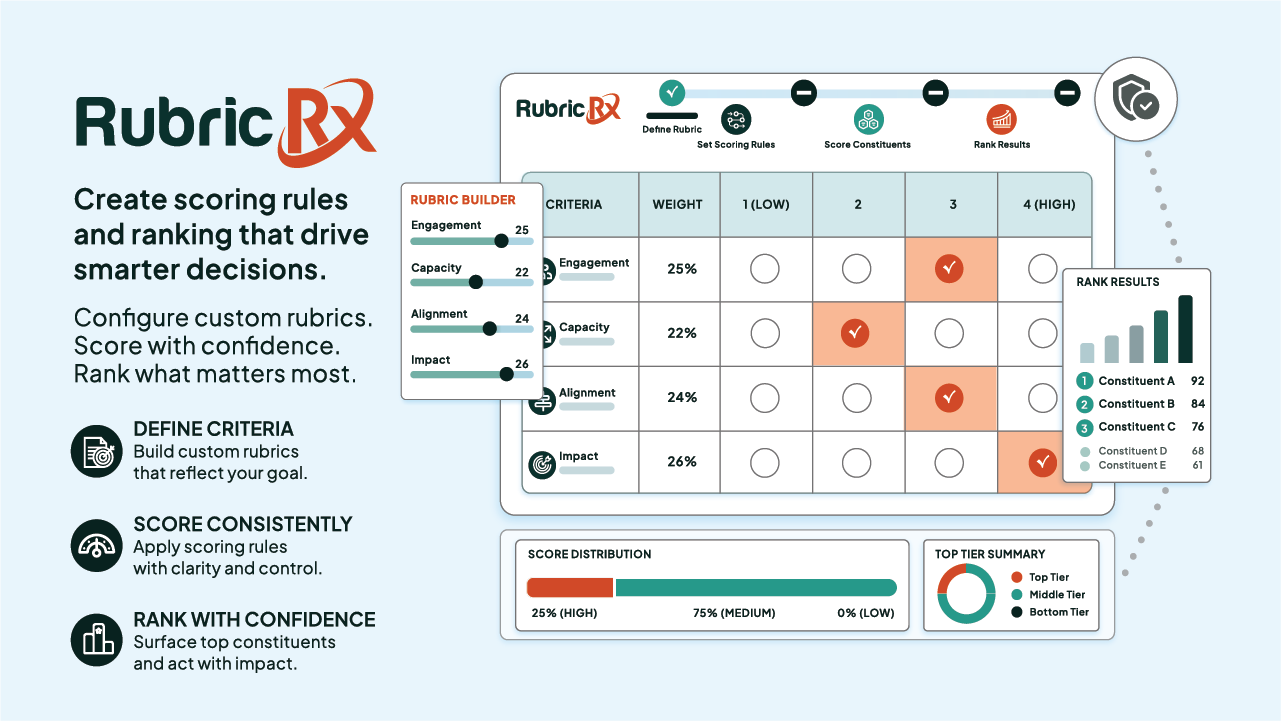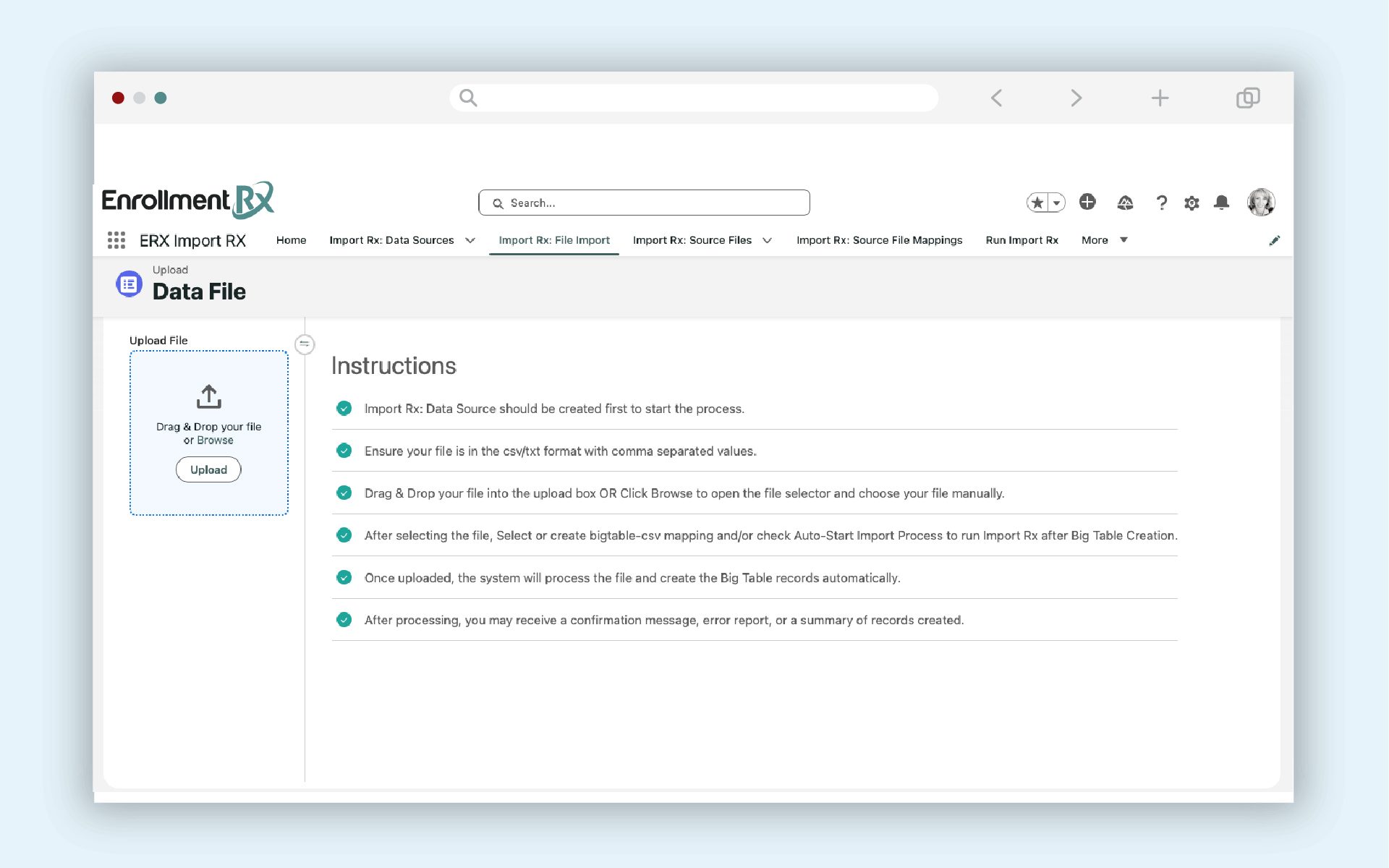
Composable higher education admissions software allows institutions to adapt quickly to changing requirements without relying on developers. As technology evolves, colleges and universities need systems that can be configured and updated with clicks-not-code tools.
In the Gartner article “Adopt a Composable DXP Strategy to Future-Proof Your Tech Stack,” Guseva, Natis, et al. explain that organizations must implement systems that are flexible and easily adaptable. In addition, they define composable software as systems that empower operational teams to manage functionality through configuration rather than code.
Why Composability Matters in Admissions
The applicant portal is one of the most important components of higher education admissions software. Therefore, it serves as the primary interface for prospective students and must support a wide range of needs.
To be effective, this portal must be composable. As a result, institutions should be able to adjust design, functionality, and logic quickly as requirements evolve.
Brand and Style Flexibility
Every college and university has unique branding requirements. Therefore, admissions software should support easy customization of styles, layouts, and visual elements.
A composable system allows institutions to update branding without complex development. Because of this, institutions can maintain consistency across digital experiences while still allowing flexibility for change.
Dynamic Homepages and Widgets
A modern applicant portal should adapt to each user. For example, dynamic homepages and widgets allow institutions to display personalized content based on the applicant’s profile.
In addition, these elements should be configurable with simple tools. As a result, operational teams can update content, adjust logic, and deploy changes without technical support.
Configurable Pages and Forms
Forms and pages are central to the admissions process. For instance, applicants use them to submit applications and required documents. In addition, other users, such as recommenders or employers, also interact with these systems.
Composable higher education admissions software allows teams to build and update forms quickly. Therefore, administrators should be able to configure fields, logic, and workflows without relying on developers.
Future-Proofing Your Admissions Technology
Institutions must invest in systems that can evolve over time. Because of this, composable higher education admissions software helps ensure long-term flexibility and scalability.
Enrollment Rx (https://www.enrollmentrx.com) provides solutions that enable composable admissions experiences built on Salesforce. In addition, learn more about composable technology at:
https://www.salesforce.com/
Take the Next Step
If your institution is evaluating admissions software, it is important to consider long-term flexibility.
Therefore, contact us to request a demo and learn how Enrollment Rx can help modernize your admissions software:
https://www.enrollmentrx.com/contact/